Antique art covers a wide world of objects made to be looked at and lived with: paintings, prints, drawings, sculpture, and folk art. Most collectors start with a single piece that catches their eye — a landscape picked up at a fair, a portrait inherited from a grandparent — and only later learn how to tell a good piece from a tired copy. This page gives you the basics so you can buy, care for, and enjoy older art with more confidence.
What Counts as Antique Art
The word antique is usually applied to pieces at least a hundred years old, while vintage covers the decades after that. In practice, collectors use the term loosely for anything made before the middle of the twentieth century that shows the hand and taste of its time. A watercolour from 1890, a bronze figure from 1910, and a hand-carved wooden folk toy from the 1920s all belong here.
Antique art is not one thing. It includes oil paintings on canvas and board, watercolours and gouaches on paper, pencil and ink drawings, etchings and lithographs, plaster and bronze sculpture, and folk art such as painted furniture panels, decoys, and samplers. What ties them together is age, craft, and the fact that each piece was made before mass production took over completely. A print made in an edition of two hundred can still be antique art; a poster printed in the thousands last year cannot.
How to Recognise Genuine and Quality Pieces
Start with the object itself, not the story attached to it. Hold a painting at an angle to the light. Old oil paint often shows fine cracking, called craquelure, that follows the weave of the canvas. The pattern should look natural and irregular. Paint that is perfectly smooth and glossy across a supposedly nineteenth-century canvas deserves a second look.
Look at the back as well as the front. Old stretchers and panels are usually made of plain wood that has darkened with age. Handwritten labels, old exhibition stickers, and framer's stamps can be useful clues, though labels can be moved from one frame to another, so treat them as hints rather than proof. Nails and tacks should show age too; bright, shiny hardware on an old frame is a warning sign.
For prints, check the paper. Laid paper, with faint lines visible when held to the light, and deckled edges suggest an older sheet. Modern copy paper is bright white and uniform. A pencil signature and a small edition number in the margin are common on etchings and lithographs, but signatures can be forged, so compare the handwriting with known examples when you can.
Sculpture needs a different check. Bronze should feel heavy for its size and show a patina that has settled into the crevices. Look for a foundry mark, often stamped on the base. Plaster and terracotta are lighter and more fragile; chips at the edges are common and do not always mean the piece is fake, but fresh white breaks on a supposedly old plaster figure should make you pause.
Makers and Styles Worth Knowing
You do not need to memorise every artist to collect well, but a few broad styles help you place a piece in time. Victorian paintings often favour detailed landscapes, sentimental scenes, and portraits with dark backgrounds. The Arts and Crafts movement, from the late nineteenth century, favoured honest materials and simple, nature-inspired design. Art Nouveau, around 1900, brought flowing curves and plant forms, while Art Deco, in the 1920s and 1930s, brought bold geometry and streamlined shapes.
Folk art follows its own path. American folk portraits, English samplers, and carved wooden animals were often made by makers whose names are lost, and that is part of their charm. In these cases the quality of the making, the freshness of the paint, and the character of the piece matter more than a signature.
When a name does appear, learn a little about it before you pay a premium for it. Some artists are widely faked, and a signature alone is never enough. Libraries, museum websites, and reference books on artists' signatures are a better guide than a seller's word.
Caring for and Displaying Antique Art
Old art is tougher than it looks, but it dislikes the same things you do: damp, heat, and direct sun. Hang paintings and works on paper away from radiators, fireplaces, and south-facing windows. Sunlight fades watercolour and paper quickly, and it can darken old varnish. A hallway or a north-facing wall is often a better home than a sunny living room.
Keep the room at a steady, moderate temperature and avoid damp basements and hot attics for storage. If you must store a painting, keep it upright, wrapped in acid-free tissue or a clean cotton sheet, and never lean anything heavy against the canvas. Works on paper should be framed with acid-free mount board and kept behind glass with a small gap between the glass and the paper, so damp cannot stick the two together.
Clean gently or not at all. Dust a frame with a soft brush. Never wipe a painting with a damp cloth, and never use household cleaners on paint, gilt, or bronze. If a canvas is dirty, flaking, or torn, take it to a conservator rather than trying a home fix. A good conservator will explain the work and the cost before starting, and a careful repair usually helps a piece more than it harms it.
When hanging, use proper picture hooks and wire rated for the weight. Old frames can be heavy, and a single small nail is rarely enough. Check the wire and the frame joints once a year.
What Affects Value
Condition comes first. A painting with a clean surface, a stable canvas, and its original frame will usually be worth more than a similar piece that has been heavily repainted or relined, though a skilled old repair is not always a problem. For works on paper, foxing — small brown spots — tears, and fading all lower value, while a fresh, bright sheet holds it.
Rarity matters, but it is not everything. A common subject by a well-known artist can be worth more than a rare subject by nobody in particular. What collectors look for is a combination: a good example of the artist's work, in good condition, with a clear history.
Provenance — the record of who owned a piece — helps when it can be shown. Old receipts, exhibition catalogues, and family notes add weight, especially for higher-value pieces. A good story with no paperwork is pleasant, but it does not add the same value as a paper trail.
Size, subject, and fashion play a part too. Large landscapes and portraits often sell better than small studies, and tastes change over time. Buy pieces you like looking at, in the best condition you can afford, and you will enjoy them whether or not fashion moves your way.
Starting Your Collection
Begin small and buy what you understand. Visit museums, look at a lot of art before you buy any, and handle pieces at fairs and auctions when you can. Ask questions, take notes, and compare similar pieces side by side. Over time your eye will learn to spot quality — the confident brushstroke, the honest patina, the frame that belongs with the picture — and that eye is the best tool any collector owns.
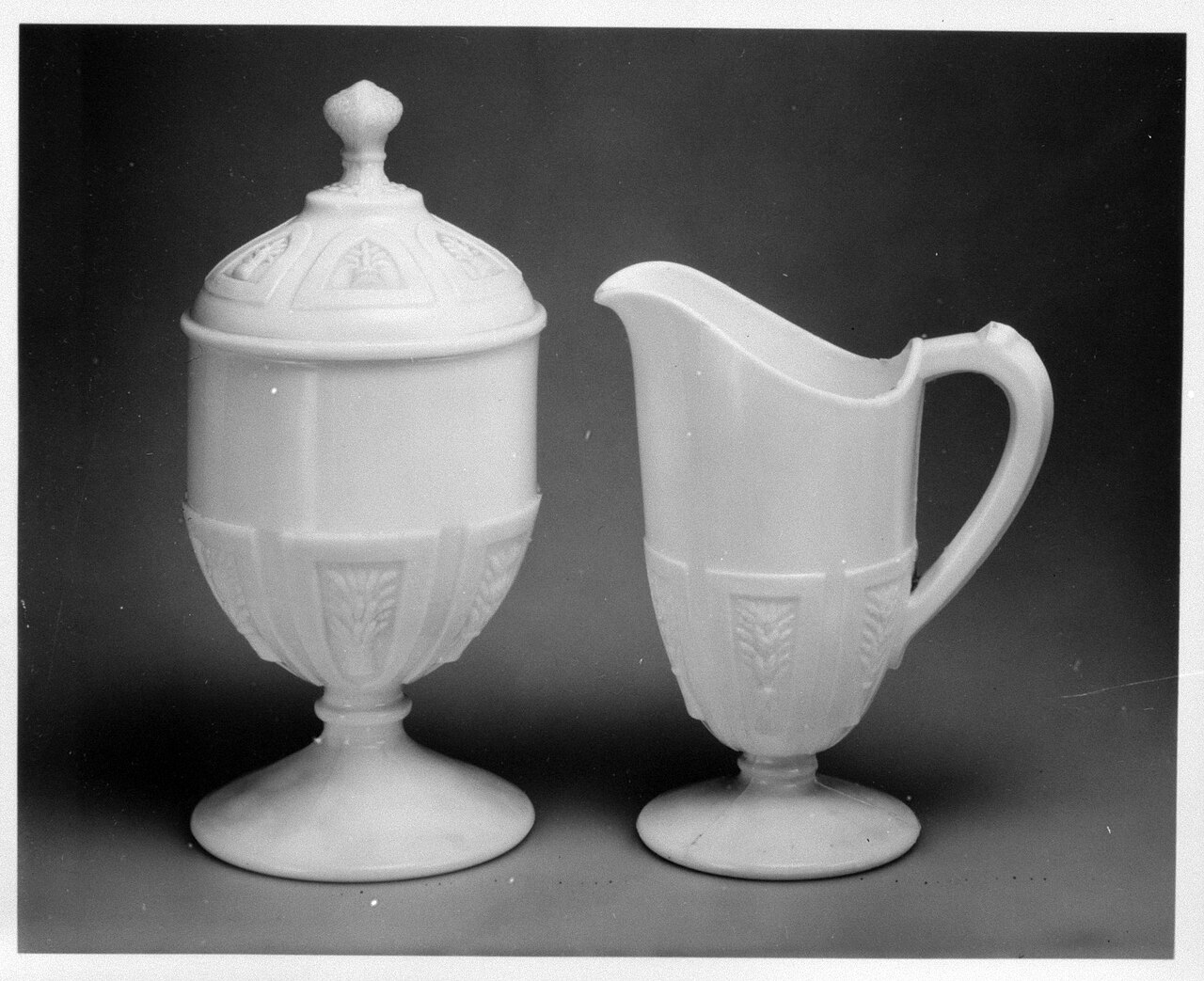
1800s Antique Glass Sugar and Creamer
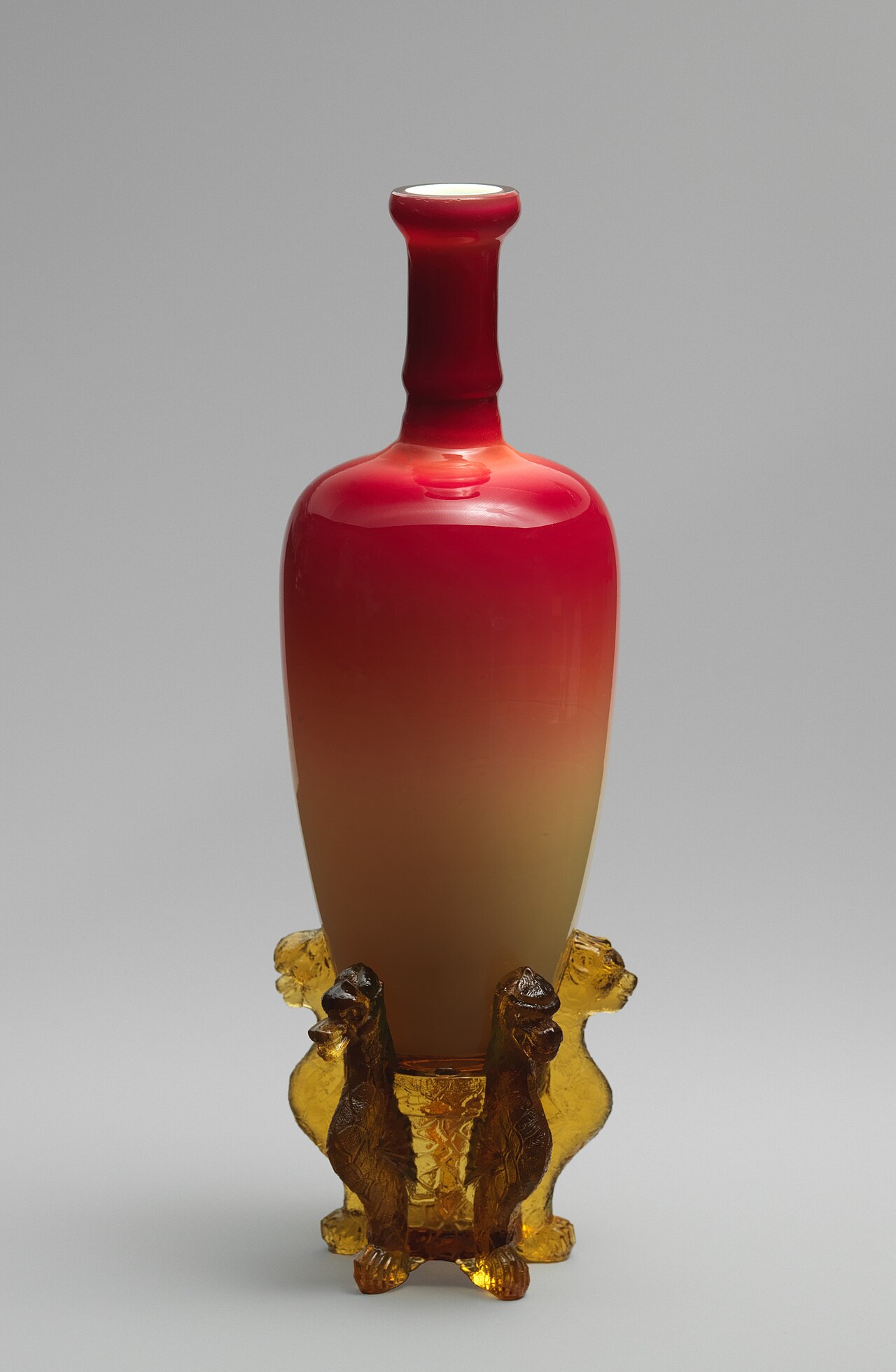
D’argenthal Art Glass Vase
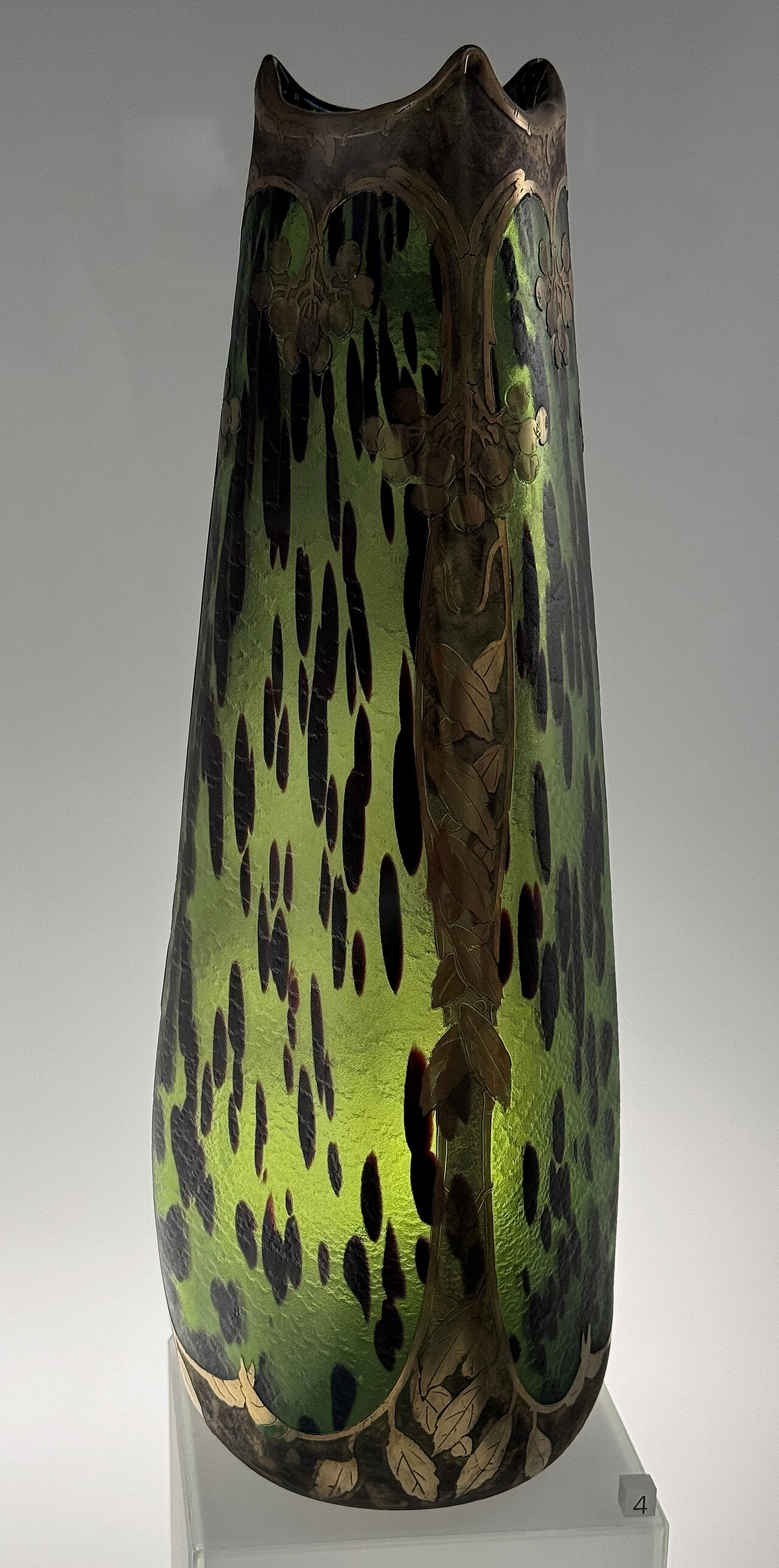
Daum Art Glass Bowl
Daum Sailboat Vase
Degue Vase
DeVez Vase
Durand Art Glass Vase