A painting is the most personal kind of antique. It was made by one person's hand, looked at by people long gone, and it still speaks to anyone who stops in front of it today. Paintings were a core part of the collection at Hogan's Now and Then, the Virginia Beach antiques shop founded in 1992 on quality and affordability, and this guide is written for the beginner who wants to choose well and look after what they bring home.
What Counts as an Antique Painting
An antique painting is usually a work at least a hundred years old, painted in oil, watercolour, gouache, pastel, or tempera on canvas, wood panel, board, or paper. Vintage paintings from the early to middle twentieth century sit just behind that line and are collected in much the same way.
The subjects are familiar: landscapes, seascapes, portraits, still lifes, farm scenes, and town views. Some paintings are signed and dated; many are not. An unsigned landscape from 1890 is still an antique painting, and it can be a lovely thing to live with even if the painter's name is lost. What matters is the quality of the work and the condition it has survived in.
Paintings differ from prints in one plain way: a painting is a single original object, while a print was made in an edition. Both can be old and valuable, but a painting should show the marks of the brush and the hand in a way no print can copy.
How to Recognise Genuine and Quality Pieces
Look at the surface first. Oil paint laid down long ago often shows fine, irregular cracking known as craquelure, and the texture of the brushwork should be visible when you look closely. Paint that looks flat, smooth, and perfectly even across a supposedly old canvas deserves a second look, because modern copies are often printed on canvas and then given a thin coat of varnish to imitate paint.
Turn the painting over. The back can tell you as much as the front. Old canvases are usually a warm, darkened linen, and old wooden stretchers are plain and worn. Labels from exhibitions, old framers' stamps, and handwritten notes are useful clues. They can be moved from one picture to another, so treat them as hints, not proof, but a label that matches the style and period of the picture adds weight.
Check the frame as well. Many antique paintings still sit in their original frames, which were often made of wood and gilded plaster. A frame that fits the picture well, with wear that matches the age of the painting, is a good sign. A brand-new frame on a supposedly old painting is not a fault in itself — frames get replaced — but it removes one clue about age.
For watercolours and works on paper, look at the paper itself. Old paper is often a soft cream or ivory colour, with a slight texture, and it may show faint lines if it is laid paper. Bright white, perfectly uniform paper usually means a modern sheet. Foxing, those small brown spots that appear on old paper, is common and does not always mean a picture is in poor shape, but heavy staining and fading do affect how a work looks and how it is valued.
Makers and Styles Worth Knowing
You do not need to know every painter to collect well, but a sense of period helps you place a picture. Victorian paintings often favour detailed landscapes, sentimental scenes, and portraits with dark, rich backgrounds. The Hudson River School, in nineteenth-century America, painted grand landscapes with fine detail and glowing light. Impressionist work, from the later nineteenth century onwards, uses broken brushstrokes and bright colour to catch a moment of light.
In the twentieth century, styles loosened further. Post-Impressionist and early modern paintings play with colour and shape in ways that can look simple at first glance, but the best of them reward a longer look. Regional painters — artists who painted the coasts, farms, and towns they knew — are a good place for a beginner to start, because their work is often affordable and full of local character.
Signatures deserve care. Some artists signed clearly, some signed with initials, and some never signed at all. A signature that looks freshly added, or that sits on top of old varnish, should make you pause. Reference books on artists' signatures and museum websites are a better guide than a seller's confidence.
Caring for and Displaying Antique Paintings
Old paintings dislike the same things you do: damp, heat, and strong sun. Hang them on an inside wall, away from radiators, fireplaces, and windows that get direct sun for hours each day. Sunlight fades watercolour and paper quickly, and it can darken old varnish on oils. A north-facing wall or a shaded hallway is often a better home than a sunny living room.
Keep the room at a steady, moderate temperature and avoid damp basements and hot attics. If you need to store a painting, keep it upright, cover it with a clean cotton sheet or acid-free tissue, and never lean anything heavy against the canvas. Works on paper should be framed behind glass with acid-free mount board and a small gap between the glass and the paper, so damp cannot make the two stick together.
Clean gently or not at all. Dust a frame with a soft brush. Never wipe a painting with a damp cloth, and never use household cleaners, polish, or water on paint or gilt. If a canvas is dirty, flaking, torn, or sagging, take it to a conservator. A good conservator will explain what needs doing and what it will cost before starting, and a careful repair usually helps a picture far more than it harms it.
Hang paintings with proper picture hooks and wire rated for the weight. Old frames can be heavy, and one small nail is rarely enough. Check the wire, the frame joints, and the hanging once a year.
What Affects Value
Condition comes first. A painting with a clean surface, a stable canvas, and little repainting will usually be worth more than a similar picture that has been heavily restored. Some old restoration is normal and need not put you off, but large areas of repainting, a relined canvas, or a torn and patched surface all lower value.
The artist matters, but so does the quality of the particular picture. A strong, well-painted landscape by a lesser-known artist can be worth more than a weak or damaged picture by a famous name. Subject plays a part too: a lively scene with figures, a recognisable place, or a subject people love to live with often finds buyers more easily than a dull or damaged study.
Size and framing count as well. Larger pictures often command more interest, and an original frame in good shape adds to the whole. Provenance — a record of past owners, exhibitions, or old receipts — helps when it can be shown, especially for higher-value work. A good story with no paperwork is pleasant, but a paper trail carries more weight.
Fashion changes over time. Some subjects and styles fall out of favour and come back again. Buying pictures you enjoy looking at, in the best condition you can afford, is the safest course. You will enjoy them every day, whatever the market does.
Starting Your Collection
Begin by looking. Visit museums and galleries, study the pictures you like, and notice how brushwork, colour, and composition work. At fairs and auctions, handle pictures when you can and compare similar ones side by side. Ask questions and take notes. Over time your eye will learn to spot the confident brushstroke, the honest craquelure, and the frame that belongs with the picture — and that eye is the best tool any collector owns.

20th Antique Century Oil Painting
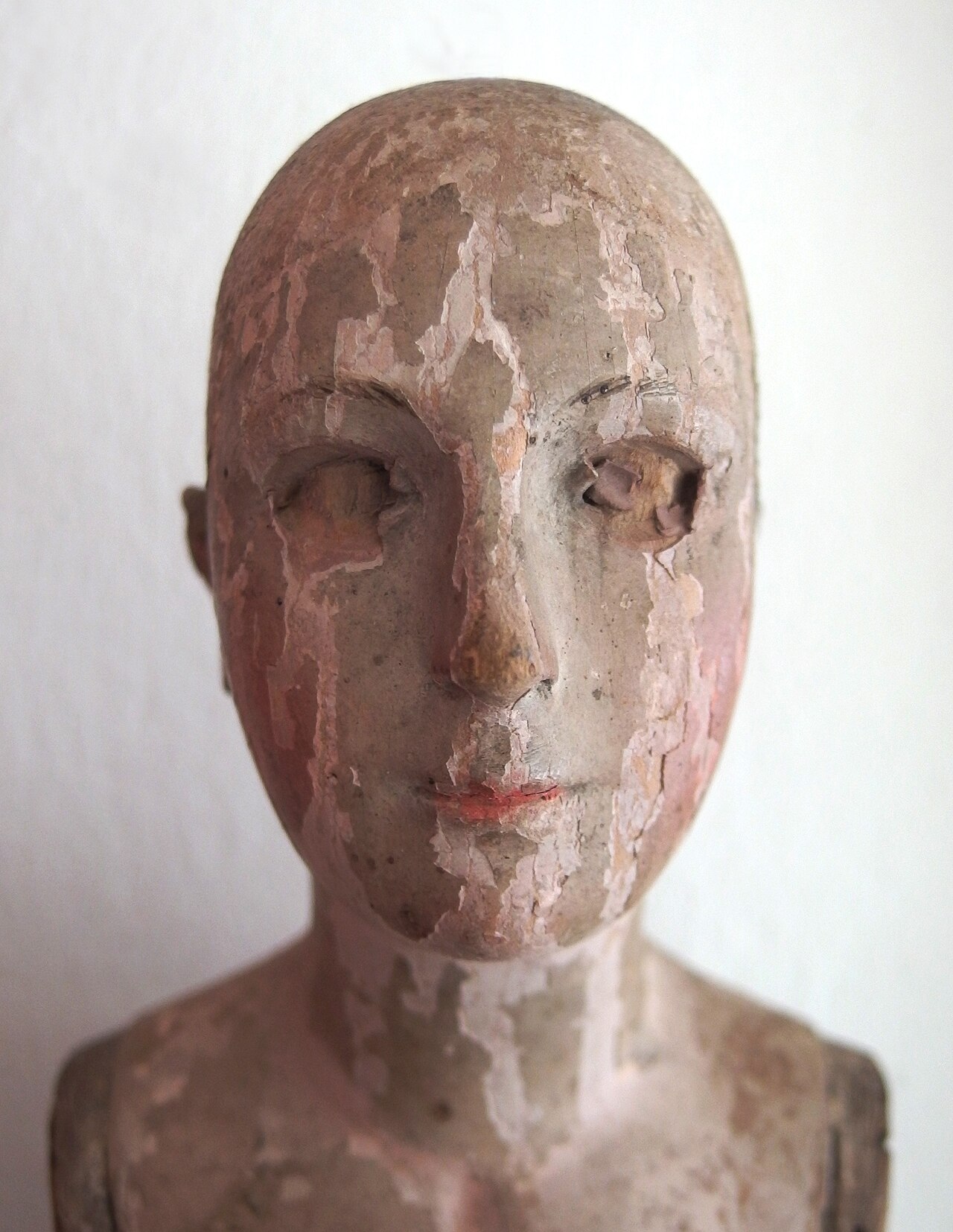
A. Wilgus, 1876, untitled
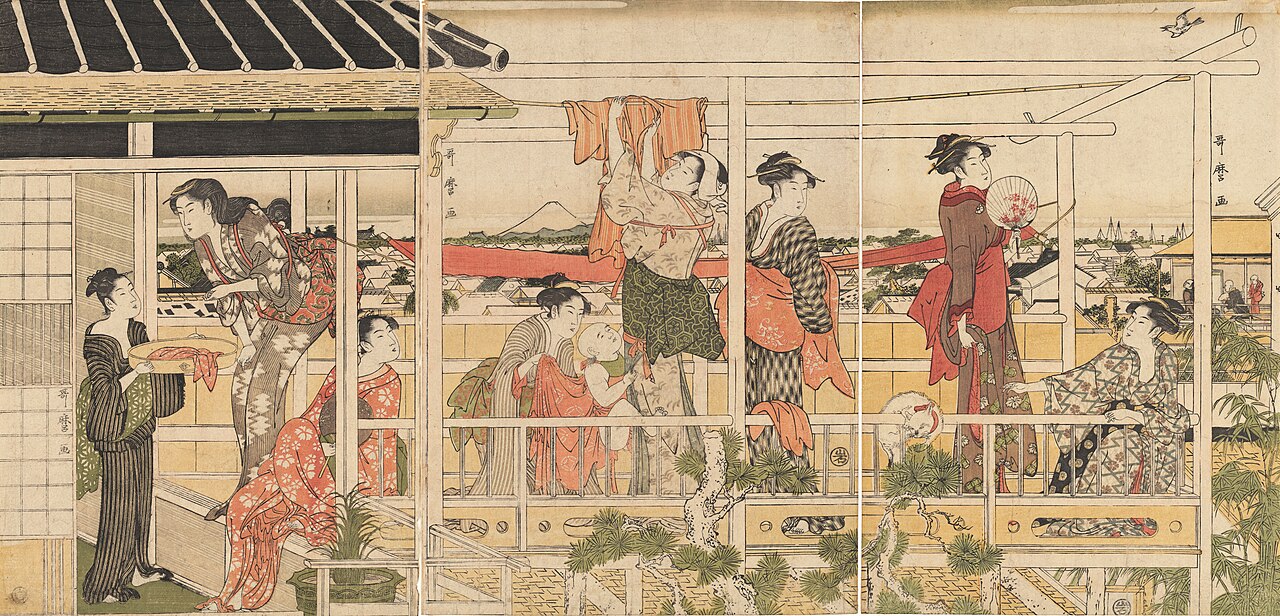
Boy Taking Bath in Wooden Tub