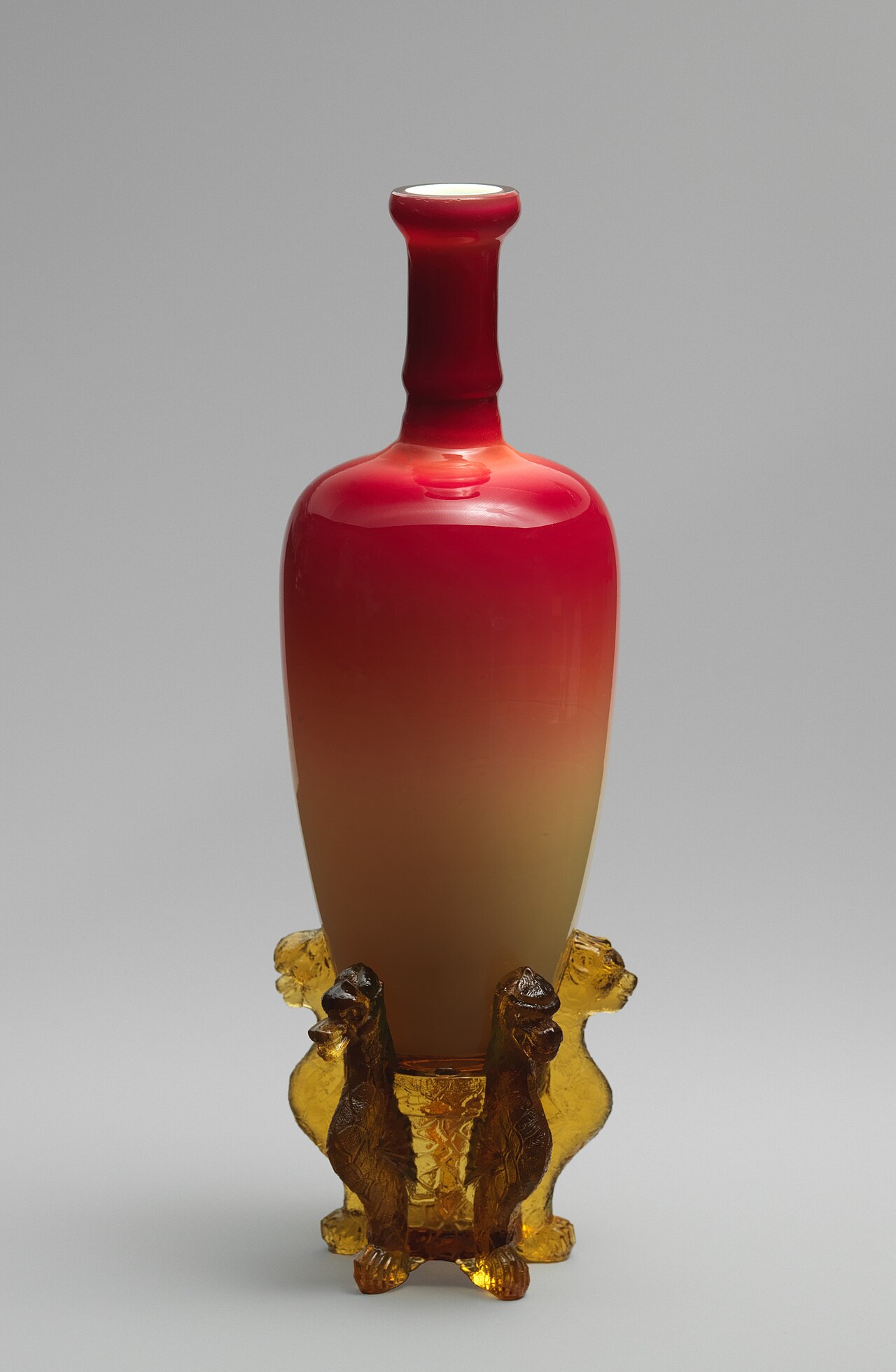
Antique glass catches the light in a way modern glass rarely does. A Victorian vase, a Depression-era bowl, or a hand-blown bottle can brighten a shelf with very little effort, and many collectors start here because good pieces are still easy to find and pleasant to live with. Glass was one of the mainstays of Hogan's Now and Then, the Virginia Beach antiques shop founded in 1992 around the idea of quality and affordability, and this guide follows that same spirit: practical help for finding honest old glass without needing an expert at your elbow.
What Counts as Antique Glass
Antique glass usually means glass made at least a hundred years ago, though collectors also welcome good vintage glass from the early and middle twentieth century. The category is broad. It includes blown vases and decanters, pressed-glass dishes and compotes, cut crystal, art glass, bottles, paperweights, lampshades, and tableware of every kind.
Two broad families help to sort it out. Blown glass was shaped by hand while hot, so each piece is slightly different. You can often feel that handmade quality in a faint unevenness or a soft ripple in the surface. Pressed glass was made by forcing molten glass into a mould, which gave a crisp pattern and a much lower cost. Both can be old and both can be worth collecting; the difference is in how they were made, not in whether they are genuine.
Art glass is a third family worth knowing. Makers in the late nineteenth and early twentieth centuries experimented with colour, iridescence, and unusual shapes, and their work still stands out on a shelf today. Names such as Tiffany, Lalique, and Steuben are the famous ones, but many smaller factories made lovely glass too.
How to Recognise Genuine and Quality Pieces
Start by holding the piece up to the light. Old glass often has tiny bubbles, fine lines called striations, and a slight unevenness in thickness. These are signs of hand making, not faults. Modern machine-made glass is usually too perfect, with no bubbles and no variation at all.
Check the base. A hand-blown piece often has a rough spot called a pontil mark where it was broken off the blowing rod. Later pieces may have a smooth, ground base instead. Pressed glass often shows faint mould lines running down the sides. On good cut glass, the cutting should feel sharp and crisp under your finger, with clean edges that catch the light. Dull, shallow cutting usually means a later or cheaper piece.
Weight tells you something too. Old lead crystal feels noticeably heavy for its size and rings with a clear note when flicked gently with a fingernail. Soda glass is lighter and gives a duller sound. Neither test proves age on its own, but together with the shape, colour, and finish they build a picture.
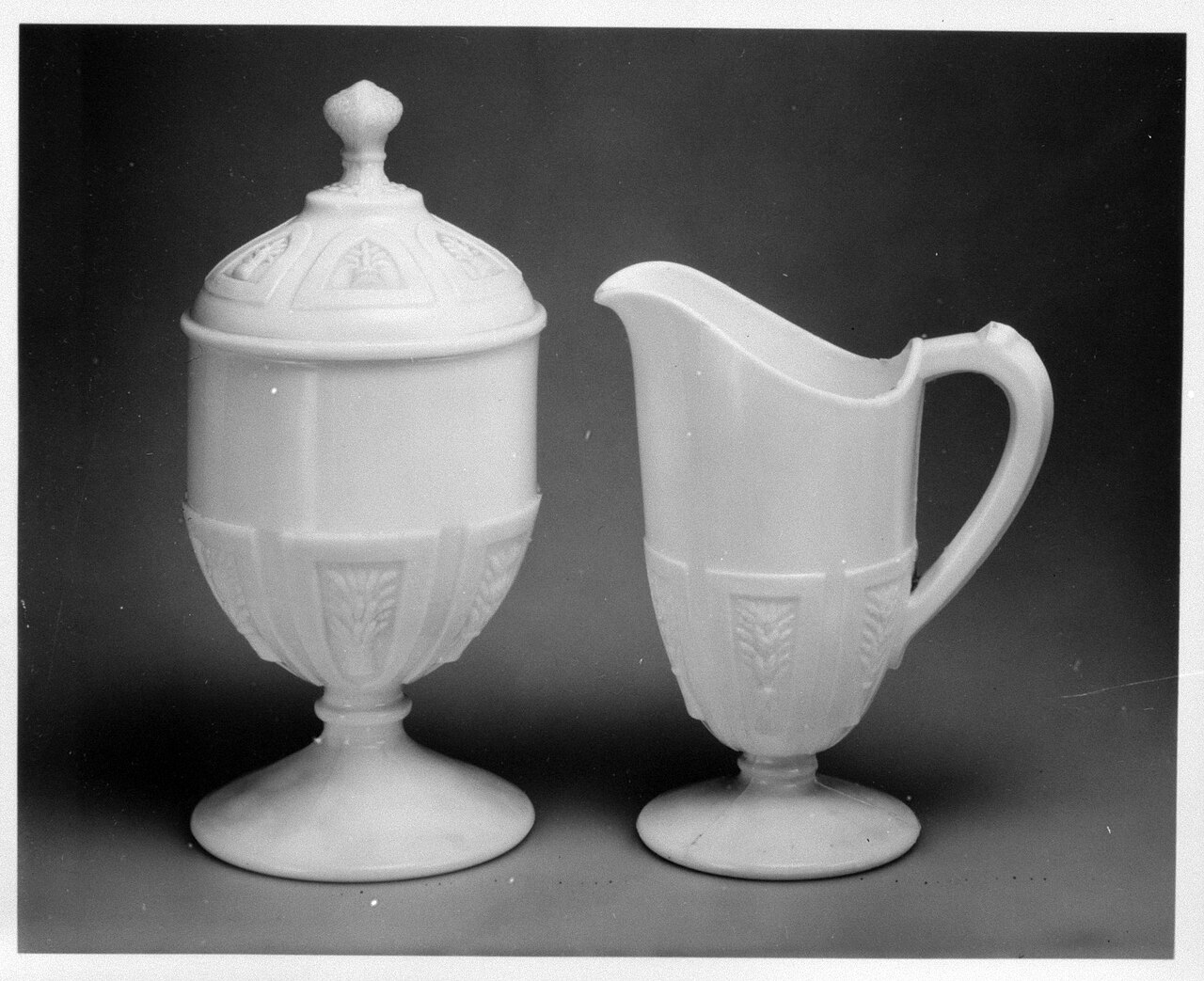
Colour is another clue. Some colours belong to particular periods. Uranium glass, made before the Second World War, glows bright green under ultraviolet light. Carnival glass has an iridescent sheen over a coloured base. Milk glass is opaque white. If a colour looks garish or the glass looks too bright and new, compare it with known examples before you buy.
Look for marks, but do not expect them everywhere. Some makers etched or moulded a signature on the base; many did not mark their work at all. A missing mark does not mean a piece is fake, and a mark on its own does not prove a piece is old. Use marks as one clue among several.
Makers and Styles Worth Knowing
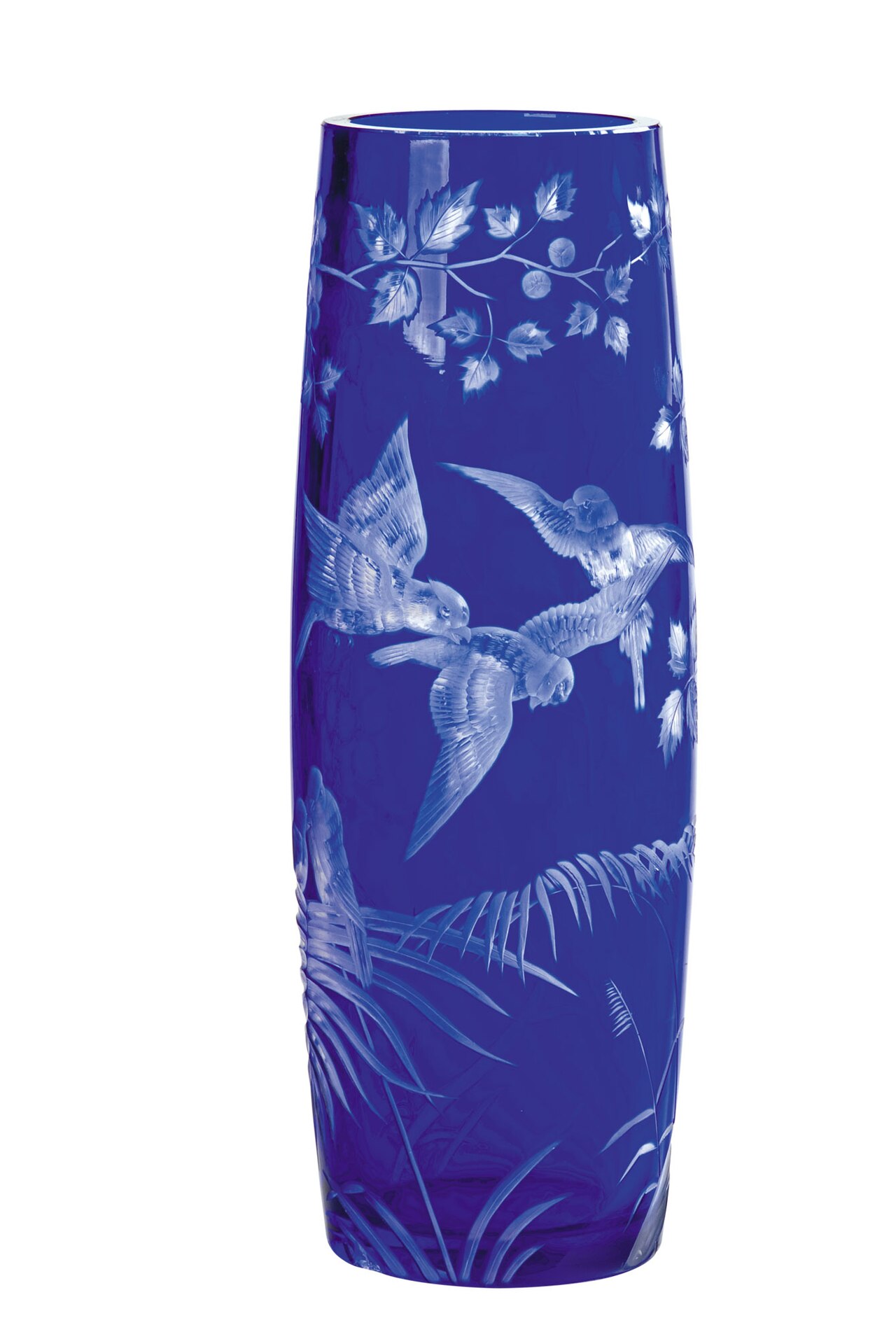
Victorian glass tends to be richly coloured and heavily decorated, with cranberry, amber, and cobalt blue among the common colours. Art Nouveau glass, around 1900, favoured flowing shapes, soft colours, and nature-inspired decoration. Art Deco glass, in the 1920s and 1930s, went the other way: bold geometry, strong colour, and clean lines.
Depression glass, made in the 1920s and 1930s, was inexpensive tableware in pink, green, amber, and clear, often given away with purchases or sold very cheaply. It is a friendly place to start collecting because patterns are well documented and pieces are still affordable.
Elegant glass, from the same period but made to a higher standard, is thinner, clearer, and more carefully finished. Makers such as Fostoria, Heisey, and Cambridge made tableware that still looks smart on a modern table.
Paperweights deserve a mention of their own. The best nineteenth-century examples, with flowers or animals suspended inside clear glass, are small works of art. Later copies exist, so study the quality of the work inside the dome: the flowers should be crisp and detailed, not cloudy or crude.
Caring for and Displaying Antique Glass
Glass is tougher than china but it still chips, and a chip on a rim is hard to hide. Handle pieces with clean, dry hands and lift them by the body rather than by a handle or a stem. When you wash glass, use lukewarm water and a little mild washing-up liquid. Avoid very hot water, which can crack old glass, and never put antique glass in a dishwasher. The heat and the jostling are too much for it.
Dry each piece with a soft cloth rather than leaving it to drip dry, which leaves water spots. For narrow-necked bottles and decanters, a bottle brush and a little uncooked rice shaken gently in warm water can reach places a cloth cannot. Rinse well and let the piece dry upside down on a towel.
Display glass where it can catch light but not direct sun for long hours, which can fade some colours over time. A glass-fronted cabinet protects pieces from dust and knocks while still letting you enjoy them. If you display pieces on open shelves, leave a little space between them so they do not knock together when you reach for one.
What Affects Value
Condition is the first thing buyers check. A vase with a chip on its rim, a crack in its base, or a cloudy interior will be worth less than a clean example of the same piece. Small wear on the base from years of use is normal and usually matters less than damage to the rim or the decoration.
Rarity and maker come next. A common Depression glass plate in a popular pattern is easy to find, while a scarce colour or a rare shape in the same pattern is harder to track down. Pieces by well-known makers, or with a clear signature, usually command more interest than unmarked glass of the same kind.
Colour and size play a part too. In many patterns, some colours were made in smaller numbers than others, and larger pieces such as punch bowls and compotes were made in fewer numbers than small dishes. Completeness matters for sets: a full set of glasses with its matching decanter is worth more than the same glasses on their own.
Provenance helps when it can be shown. An old receipt, a note about where a piece was bought, or a family story backed by paperwork adds interest, especially for higher-value pieces. A good story alone, with nothing to back it up, is pleasant but adds little.
Starting Your Collection
Pick a pattern, a colour, or a type of glass you enjoy and learn it well before you branch out. Reference books and collectors' clubs for Depression glass, carnival glass, and paperweights are full of clear photographs and honest advice. Buy the best condition you can afford, handle pieces whenever you can, and enjoy the way old glass brightens a room. A small shelf of well-chosen glass, kept clean and displayed with care, is a collection to be proud of.