Home décor is the most forgiving place to start collecting antiques. A carved mirror, a brass lamp, a painted box, or a woven cushion can warm a room without demanding a specialist's knowledge, and these everyday objects often carry the clearest signs of age and handwork. Home décor was a broad and welcoming part of Hogan's Now and Then, the Virginia Beach antiques shop founded in 1992 on quality and affordability, and this guide follows that same approach: useful, plain advice for choosing pieces you will enjoy living with.
What Counts as Antique Home Décor
Home décor covers the objects that furnish and dress a room rather than the furniture itself: mirrors, lamps and lighting, clocks, vases, boxes, trays, candlesticks, cushions and textiles, wall hangings, frames, and small decorative objects of wood, metal, glass, and ceramic. An antique piece is usually at least a hundred years old; vintage décor from the early to middle twentieth century is collected in the same spirit.
What ties the category together is use. These were not made to sit in a museum. They were made to be used in a home — to hold light, to tell time, to store small things, to dress a table or a wall. That everyday purpose is part of their charm, and it also explains the wear you will see on them: a rubbed edge on a box, a softened gilt edge on a mirror, a patina on brass that no new piece can copy.
How to Recognise Genuine and Quality Pieces
Start with materials. Old wood should feel solid and show a patina that has built up over years of handling and waxing. Look at the back and the underside, where makers rarely bothered to fake age. Tool marks from hand planes, uneven joints, and wood that has darkened naturally are good signs. Perfectly uniform wood, sharp modern screws, and bright staples usually point to a newer piece.
Metal tells its own story. Old brass, copper, and bronze develop a soft, uneven patina. If a piece has been polished hard, it may look bright, but the crevices should still hold a little of that older tone. Check for seams and casting marks. Hand-cast pieces often show small irregularities; machine-made copies are too neat. A maker's stamp, when present, is worth noting, but many honest old pieces were never stamped at all.
For mirrors, look at the glass. Old mirror glass often shows a slight waviness, small bubbles, and a silvering that has foxed or darkened at the edges. A mirror that is perfectly flat and bright all the way to the edge is likely a modern replacement, even if the frame is old. That does not make the piece worthless, but it changes what it is.
Clocks and lamps need a working check. A clock case may be beautiful while the movement inside is a later replacement. Ask whether the movement is original, and look for a maker's name on the dial or the back plate. For lamps, check the wiring. Old wiring should be replaced by a qualified electrician before use, and a lamp that has been rewired safely is far more useful than one that has not.
Makers and Styles Worth Knowing
Victorian décor tends to be rich and layered: dark woods, heavy gilt, patterned textiles, and plenty of small objects on every surface. The Arts and Crafts movement, from the late nineteenth century, pushed back against that with honest materials, simple shapes, and handwork you can see. Art Nouveau, around 1900, brought flowing lines and plant forms to lamps, mirrors, and metalwork. Art Deco, in the 1920s and 1930s, brought bold geometry, chrome, and streamlined shapes.
Some names recur and are worth learning. Tiffany lamps, with their leaded glass shades, are the famous example of Art Nouveau lighting. Stickley furniture and metalwork belong to the Arts and Crafts world. In textiles, paisley shawls, embroidered cushions, and hand-hooked rugs each have their own collectors and reference books. You do not need to know them all at once. Pick the kind of décor you like and learn its makers and marks one at a time.
Folk décor follows its own path. Painted boxes, carved wooden animals, samplers, and hooked rugs were often made by makers whose names are lost. In those cases the quality of the making and the character of the piece matter more than a signature.
Caring for and Displaying Antique Décor
Keep décor out of strong sun, damp, and heat, just as you would a painting. Sunlight fades textiles and wood, damp swells wood and spots metal, and heat dries out old glue and finishes. A steady, moderate room is the best home for most pieces.
Clean gently. Dust wood with a soft cloth and, if you like, a little beeswax polish applied sparingly. Avoid silicone sprays, which build up a film that is hard to remove. Polish brass and copper with a soft cloth and a gentle metal polish, but leave a little patina in the crevices; a piece polished to a mirror shine can lose some of its old character. Never use abrasive cleaners on gilt, painted surfaces, or old silvering.
Textiles need a light touch. Shake cushions and small rugs outdoors, vacuum them gently with a brush attachment, and keep them out of damp. If a textile is fragile, torn, or badly stained, ask a textile conservator before you wash it. Home washing can shrink, fade, or tear old fabric.
For lamps and clocks, safety comes first. Have old wiring checked and replaced by a qualified person, and have a clock movement serviced by someone who works on old clocks rather than forcing it yourself. Display pieces where they will not be knocked: a heavy mirror needs proper fixings into a solid wall, and a tall lamp needs a stable table.
What Affects Value
Condition comes first, as with most antiques. A mirror with its original glass, a lamp with its original shade, or a box with its original lining will usually be worth more than a similar piece with replacements. Small wear from honest use is normal and often adds character; damage such as a cracked mirror, a missing finial, or a broken hinge lowers value more.
Originality matters. A clock with its original movement, a lamp with its original shade, or a textile that has not been cut down or remade is worth more than a piece that has been put together from parts. Ask what is original and what has been replaced, and factor that into your judgement.
Rarity and maker come next. A common brass candlestick is easy to find, while a scarce design by a known maker is harder to track down. Fashion plays a part too. Tastes in décor change, and some styles come back into favour while others wait their turn. Provenance — a record of where a piece came from — helps when it can be shown, especially for higher-value pieces, but a good story with no paperwork adds little on its own.
Starting Your Collection
Start with your own home. Choose one room and one kind of object you enjoy — lamps, mirrors, boxes, or textiles — and learn it well. Look at a lot of pieces before you buy, handle them when you can, and compare similar ones side by side. Buy the best condition you can afford, and buy pieces you like looking at every day. A room dressed with a few honest old objects, kept clean and used with care, is a collection in itself.
Large Linen Appliqued Embroidered Tablecloth
Art Deco Lamp
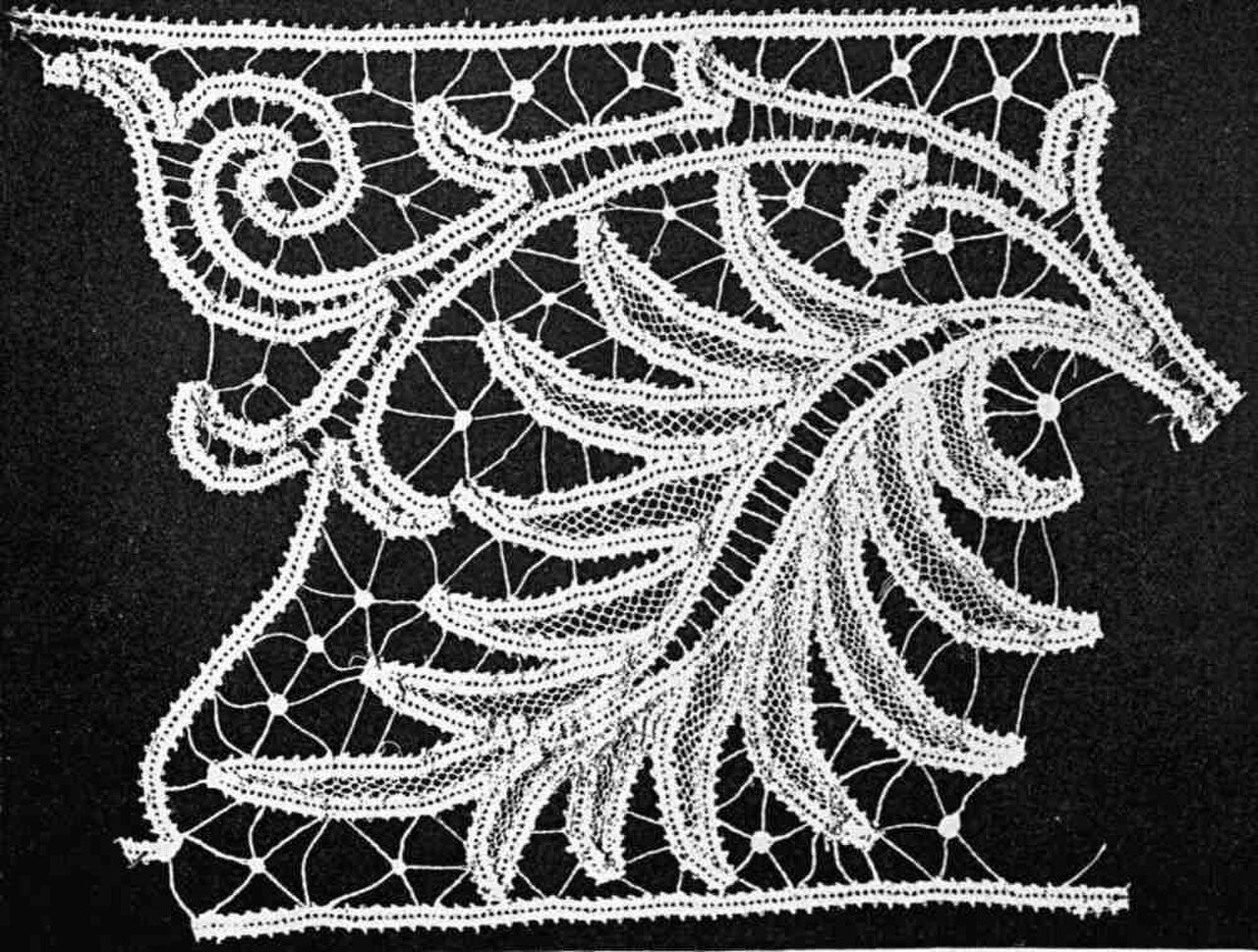
Battenburg Lace Tablecloth
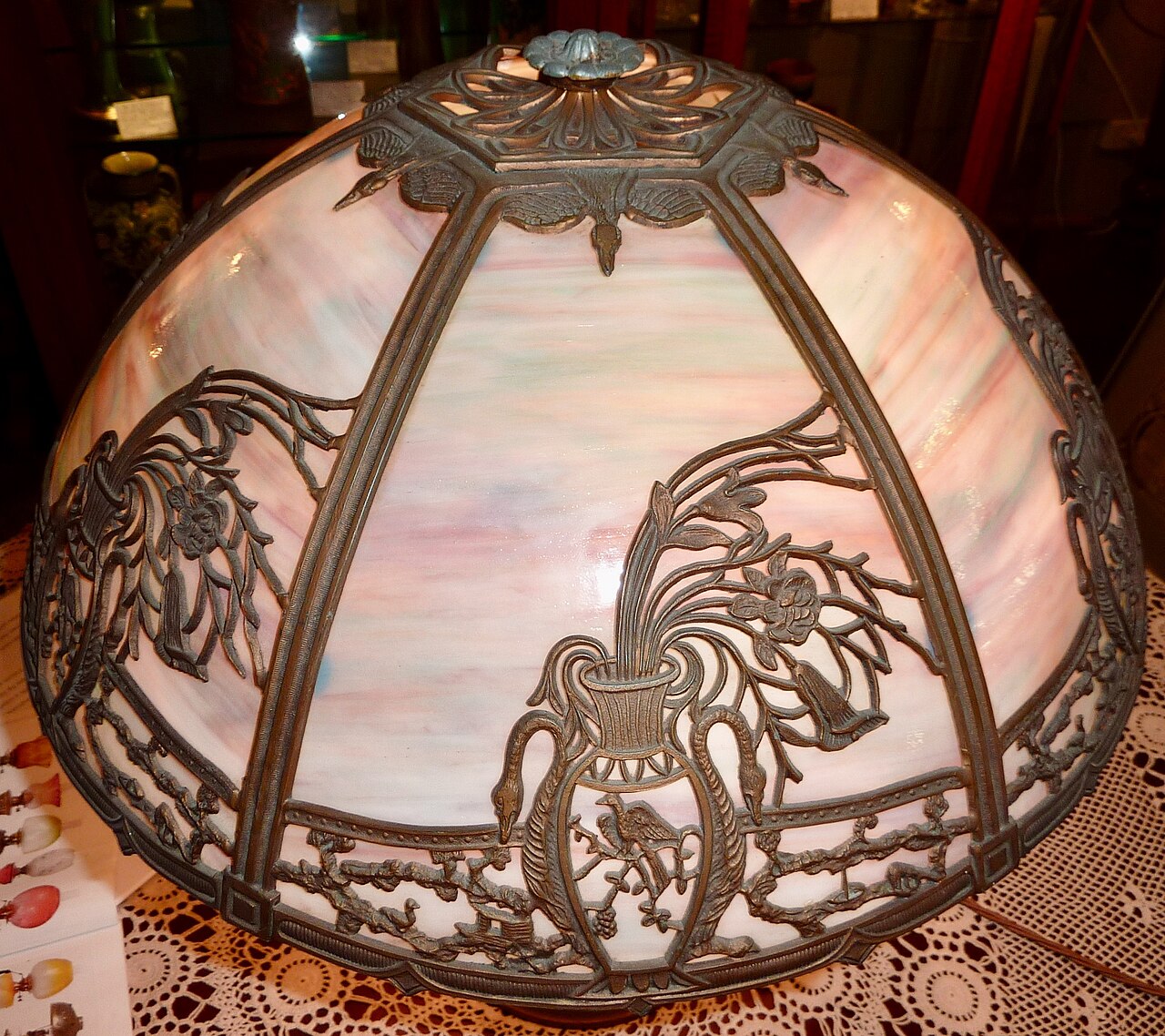
Bradley Hubart Lamp with Slag Glass Shade
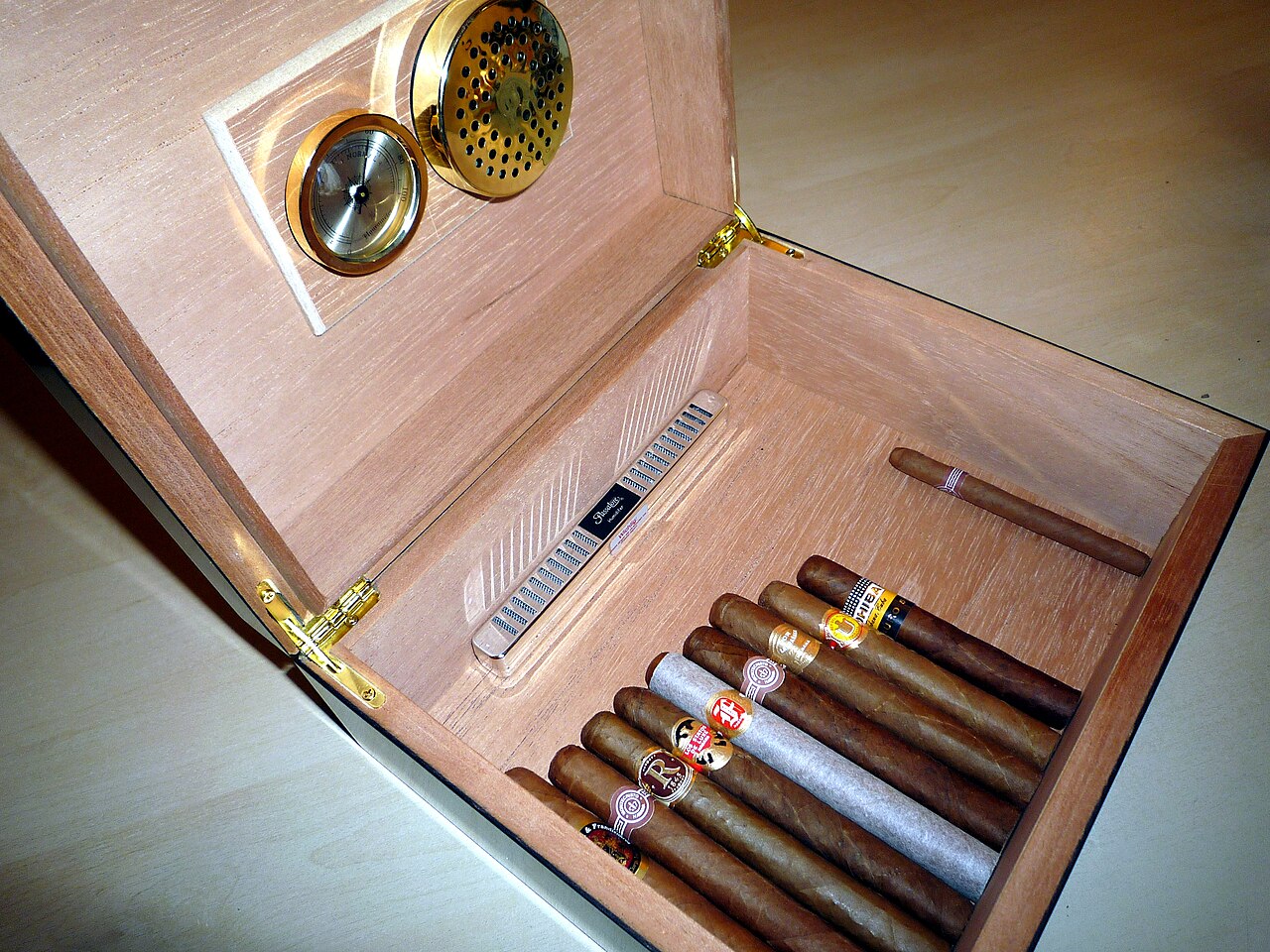
Cinnabar Stamp Box
D Merritt Modern Abstract
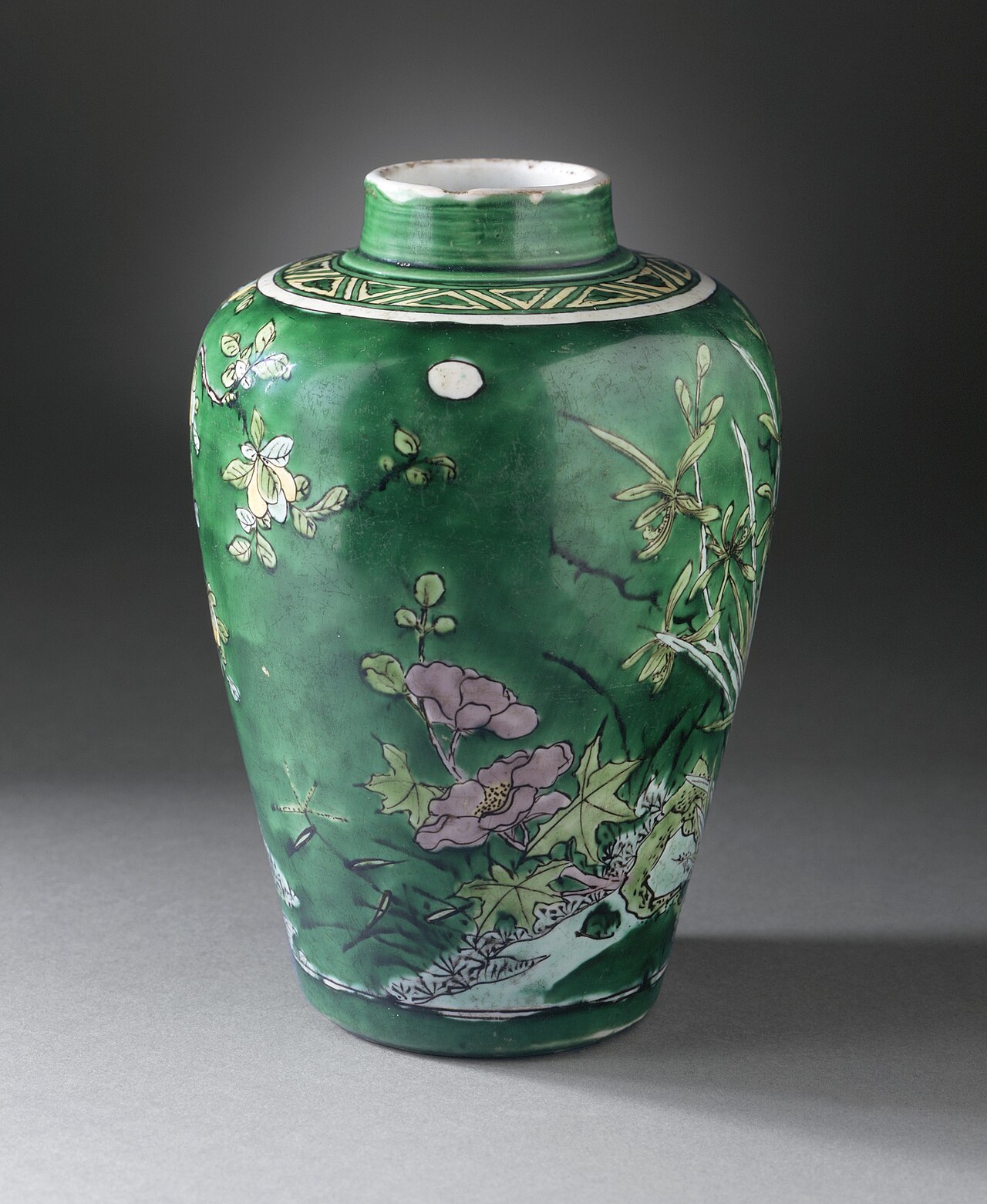
Delft Carolina Coffee Jar
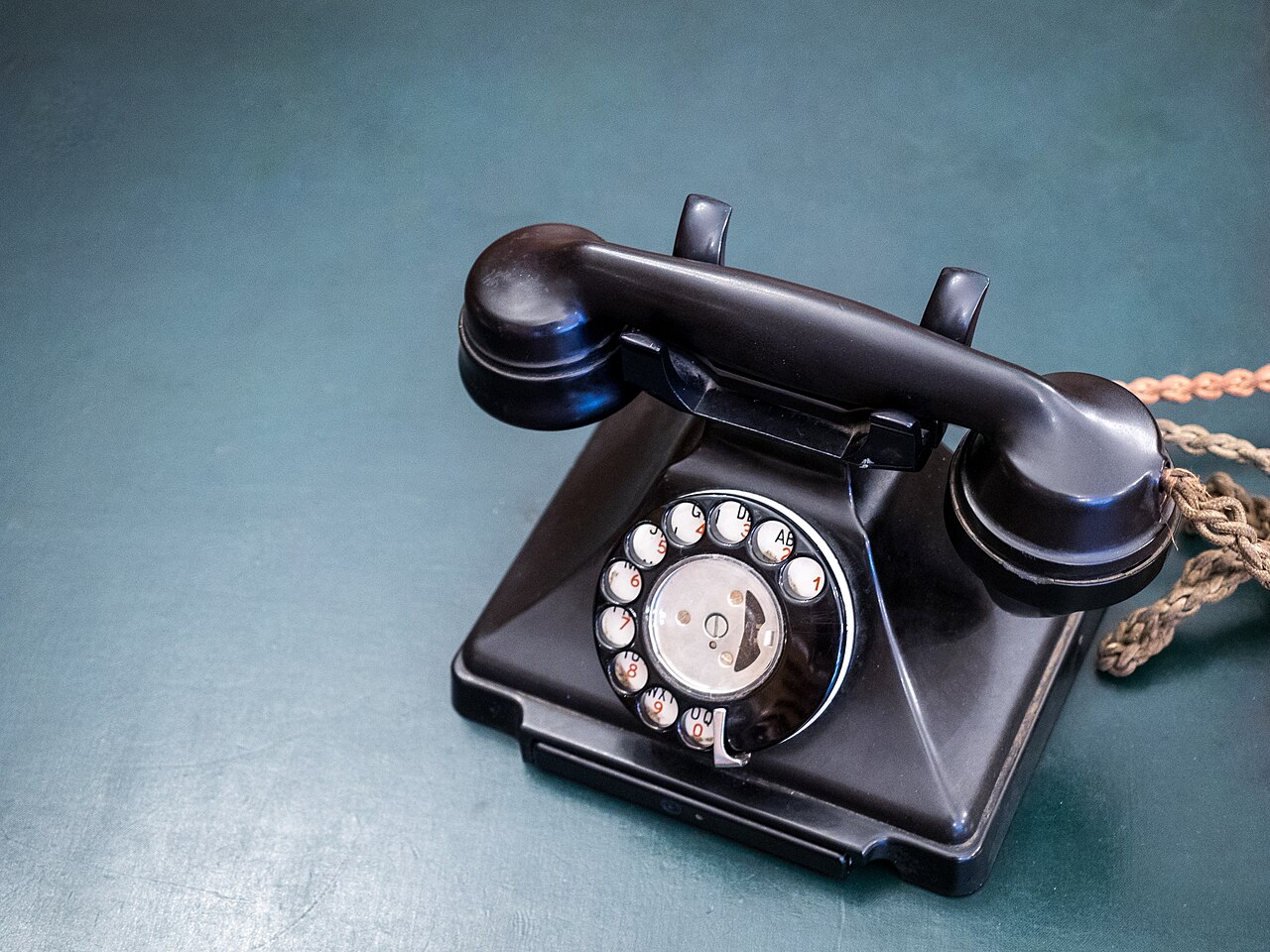
English White Bakelite Telephone
Figural Nut Cracker
French Art Deco Clock
Green Uranium Bowl