An antique tablecloth turns an ordinary meal into an occasion. Hand-embroidered linen, lace-edged cotton, and damask cloths carry the work of makers who spent hours on a single piece, and many collectors love them because they are beautiful, useful, and still surprisingly easy to find. Tablecloths were a distinctive part of the range at Hogan's Now and Then, the Virginia Beach antiques shop founded in 1992 on quality and affordability, and this guide will help you choose, care for, and enjoy them.
What Counts as an Antique Tablecloth
An antique tablecloth is usually a cloth at least a hundred years old, made of linen, cotton, or a blend, and decorated by hand or on an early loom. Vintage tablecloths from the early to middle twentieth century are collected in the same way, and many of the most charming examples — printed cotton cloths with fruit, flowers, or holiday scenes — come from that later period.
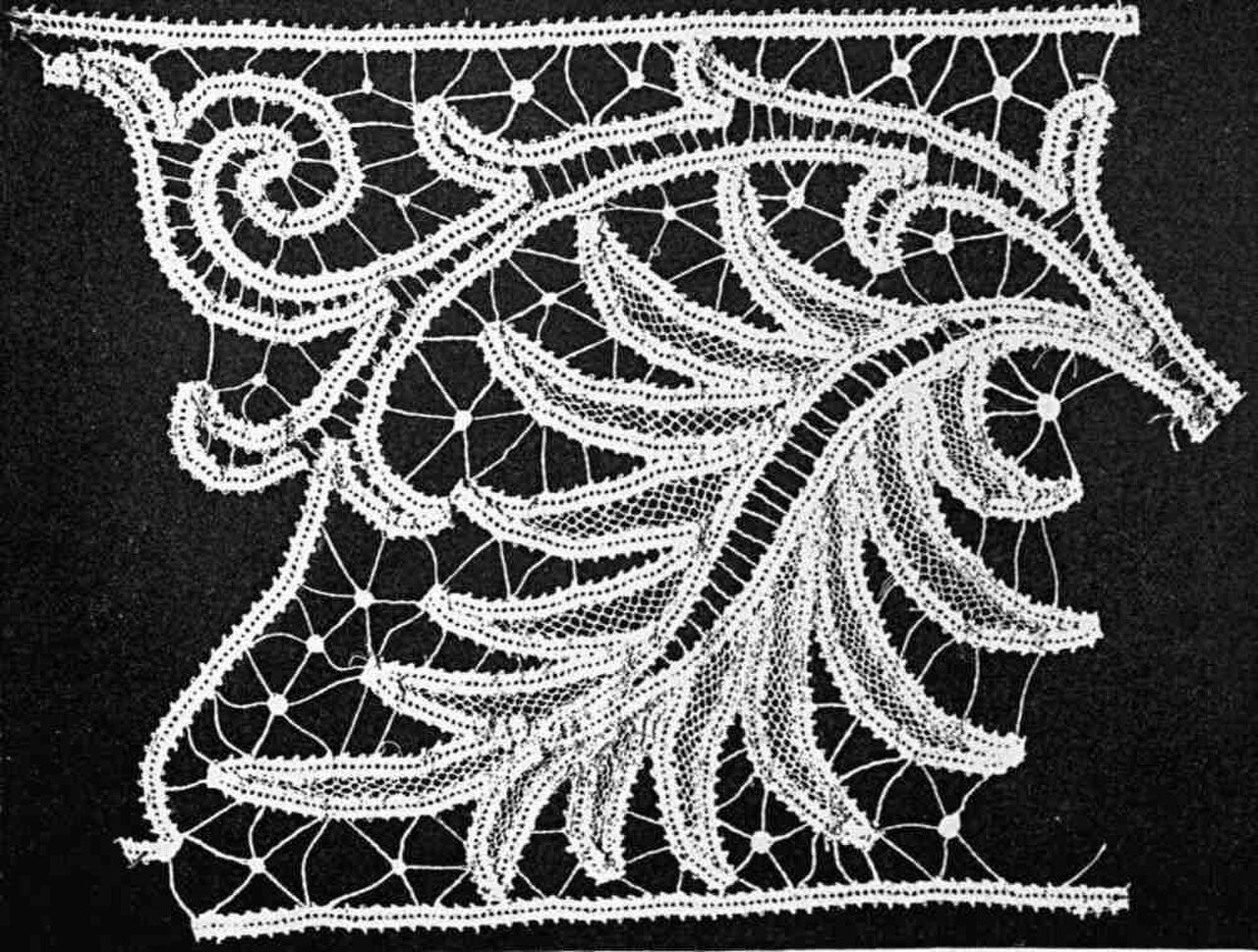
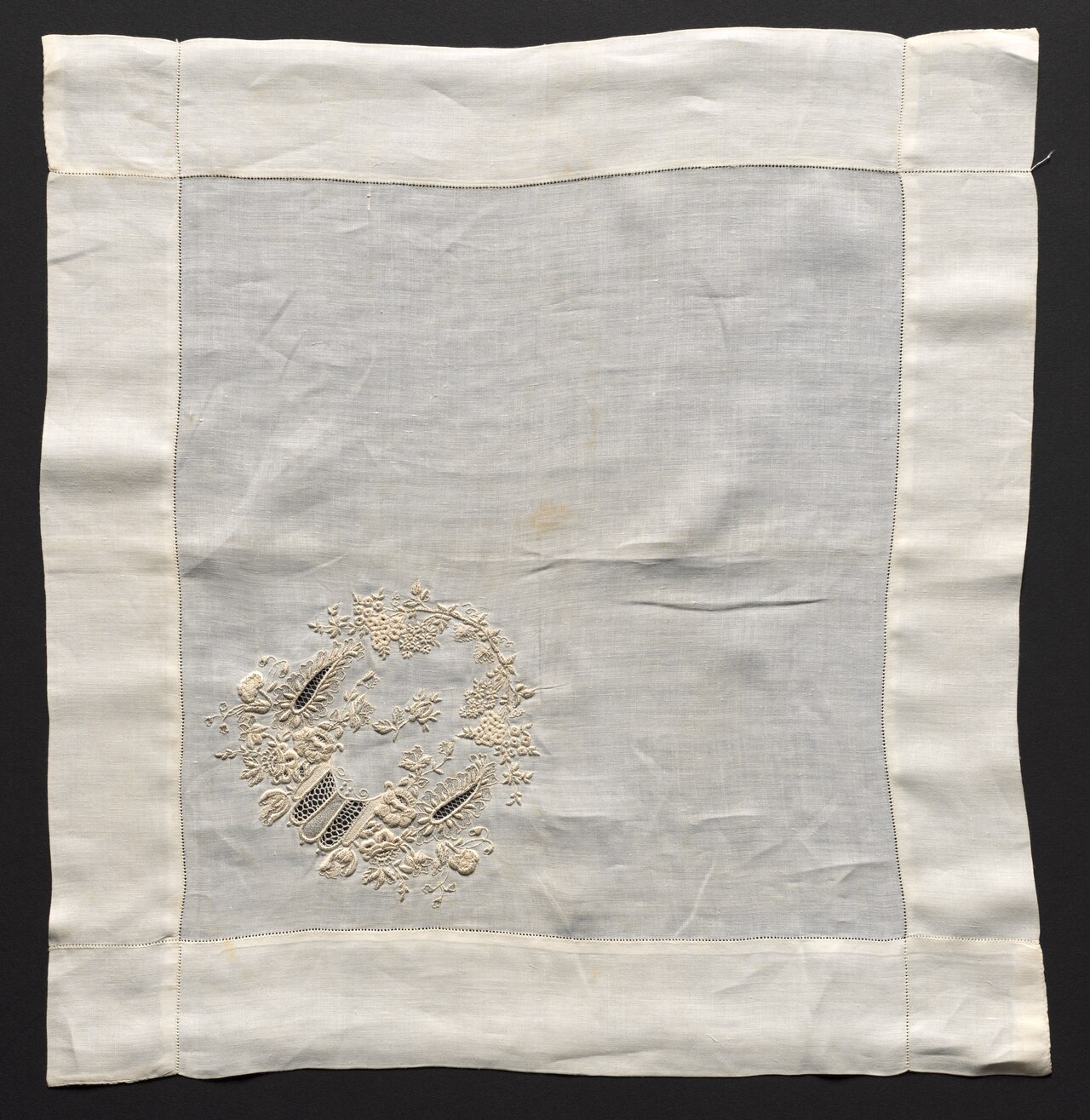
The category includes more than the big cloth for the dining table. It covers table runners, place mats, napkins, tray cloths, and dresser scarves, all made to dress a table or a piece of furniture. Linen damask, with its woven pattern that shows when the light catches it, is one of the classic forms. Lace-edged cloths, embroidered cloths, and cutwork cloths, where parts of the fabric are cut away and the edges stitched, are other familiar kinds.
A tablecloth is not only a textile. It is also a record of how people ate, entertained, and cared for their homes. A large damask cloth suggests formal dinners; a bright printed cloth suggests a family kitchen; a finely embroidered cloth suggests a trousseau piece, made with care for a new home.
How to Recognise Genuine and Quality Pieces
Start with the fabric. Linen feels cool and crisp, with a slight unevenness in the weave that cotton rarely shows. Hold a corner up to the light. Old linen has a soft sheen and a fine, irregular slub in the threads. Cotton is softer and warmer to the touch. A cloth that feels stiff, plasticky, or perfectly uniform is likely modern.
Look at the work itself. Hand embroidery shows small variations in stitch length and tension, and the back of the work will look a little less tidy than the front. Machine embroidery is far more regular, with even stitches and a uniform back. Both can be old, but handwork is usually the sign of an earlier or finer piece. In lace, look for a fine, even pattern with no loose or broken threads. Handmade lace is delicate and slightly irregular; machine lace is regular and often stiffer.
Check the edges and hems. Old cloths often have hand-rolled hems or hand-stitched edges. A narrow, machine-stitched hem is more common on later pieces. Look for a maker's mark or a laundry mark, sometimes stamped or stitched in a corner. These marks can help date a piece, but many cloths were never marked at all, so a missing mark means little on its own.
Condition is part of recognition too. Old cloths often show gentle wear: a softened fold line, a faint stain, a small repair. A cloth that looks brand new, with bright white fabric and no wear at all, may be a later copy or a piece that was never used. Neither is a fault in itself, but it changes what the cloth is.
Makers and Styles Worth Knowing
Damask is the oldest and most formal style. Irish linen damask, with its woven scenes of flowers, fruit, or coats of arms, was made for grand dining rooms and is still collected today. Madeira embroidery, from the island of Madeira, is known for fine whitework on linen and cotton, with delicate cutwork and a soft, even hand.
Printed cotton tablecloths from the 1930s to the 1950s are a lighter, happier world: bright colours, bold fruit and flower designs, and scenes of kitchens, gardens, and holidays. These cloths were made in large numbers, so they are easy to find, and collectors often focus on a theme — fruit, flowers, or a particular colour — rather than trying to collect them all.
Crocheted and lace-edged cloths belong to a quieter tradition. A fine crochet edge, worked by hand, can take hours to make, and the best examples show a steady, even hand. Quaker and Amish quilts are a separate tradition, but quilted table runners and place mats made in the same spirit are worth knowing too.
You do not need to memorise makers to collect tablecloths well. Learn the fabrics, the stitches, and the styles you like, and the makers will follow.
Caring for and Displaying Antique Tablecloths
Old textiles dislike damp, strong sun, and harsh washing. Store cloths clean, dry, and folded loosely, or rolled around an acid-free tube if you have the space. Avoid folding the same crease every time, which weakens the fabric along the fold. Acid-free tissue between the folds helps protect the cloth, and a cotton storage bag keeps dust away better than a plastic bag, which can trap damp.
Wash gently or not at all. If a cloth is sturdy and only lightly soiled, hand wash it in lukewarm water with a mild detergent made for delicate fabrics. Do not use bleach, which weakens old linen and cotton and can yellow them. Rinse well, roll the cloth in a clean towel to press out water, and dry it flat or on a line out of direct sun. Never wring an old cloth. If a cloth is fragile, torn, or badly stained, ask a textile conservator before you wash it. A professional clean is safer than a home wash that goes wrong.
Iron with care. Use a warm iron, not a hot one, and iron on the reverse side or through a clean cotton cloth. A little steam helps linen, but too much heat can scorch old fabric. For display, use a cloth on a table you actually use, or hang a smaller piece on a wall out of direct sun. A cloth that is used and enjoyed, with reasonable care, will last longer than one that is left folded away and forgotten.
Stains need patience. Blot a fresh spill at once with a clean cloth and cold water. Do not rub, which pushes the stain into the fibres. Old stains are often part of the cloth's history and may not come out fully; a faint mark on an otherwise fine cloth is usually better than a harsh treatment that damages the fabric.
What Affects Value
Condition comes first. A cloth that is clean, with no holes, tears, or heavy stains, will usually be worth more than a similar cloth that is damaged. Small, neat repairs are common and need not put you off, but large holes, heavy staining in the centre, or fabric that is thin and fragile lower value.
Size matters. Large dining cloths were made in smaller numbers than small tray cloths, and a large cloth in good condition is harder to find. A full set — a cloth with its matching napkins — is worth more than the cloth on its own, especially if the napkins are unused.
Workmanship and material come next. Fine hand embroidery on good linen is worth more than simple machine work on cotton. A rare pattern, a scarce colour, or a cloth from a known maker or region adds interest. Provenance helps when it can be shown: a note about where a cloth came from, or a family history backed by paperwork, adds weight, especially for higher-value pieces.
Fashion plays a part too. Tastes in table dressing change, and some styles come back into favour while others wait. Buy cloths you enjoy using, in the best condition you can afford, and you will get your pleasure from them whether or not the market moves your way.
Starting Your Collection
Begin with one kind of cloth you like — damask, embroidered linen, or printed cotton — and learn its fabrics and stitches before you branch out. Look at a lot of cloths, handle them when you can, and notice how the fabric feels, how the work is done, and how the cloth drapes. Buy the best condition you can afford, use your cloths with care, and enjoy the way a beautiful old tablecloth can turn an ordinary meal into something worth remembering.
72 X 108 White Oval Tablecloth With Napkins
Large Linen Appliqued Embroidered Tablecloth
Battenburg Lace Tablecloth
Large White Linen Tablecloth
Round Rose Damask Tablecloth
Small Round Tablecloth With Napkins